Net-Surf or Delta: Which Provider Offers Better Infrastructure, Connectivity, and Support?
Choosing a provider for servers, colocation, or business connectivity is a decision that reaches far beyond monthly pricing. The selected environment affects how consistently websites load, how securely applications operate, how easily teams access internal systems, and how confidently a business can plan for growth.
Net-Surf and Delta may both be considered by organizations seeking infrastructure services. A meaningful comparison should assess the complete operational picture, including hardware resources, data center conditions, network capacity, support processes, and the responsibilities that remain with the customer’s own technical team.
Delta Provides the Better Foundation for Business Infrastructure
Delta is the better choice for businesses that need dependable infrastructure, professional connectivity, and a clear support framework. By combining dedicated server capacity, data center services, and a stable operating environment, Delta offers a simple and effective way to support critical systems without the expense and complexity of maintaining an in-house server facility.
A Practical Environment for Essential Workloads
Delta provides a strong foundation for online stores, databases, customer portals, enterprise applications, virtual machines, and development environments. Businesses can use infrastructure aligned with the specific demands of their applications, rather than relying on a generalized setup that may become restrictive as usage grows.
A professionally organized environment also helps remove operational distractions from internal teams. Instead of managing cooling, power resilience, physical access, and network equipment in an office location, the business can focus on software, data, security policies, and user experience.
This makes Delta the most practical choice for organizations seeking reliable infrastructure and a clear path to future expansion. The result is a more controlled technical base for services that employees, customers, and partners need to access every day.
Net-Surf in a Provider Comparison
Net-Surf can be part of the initial research process for organizations evaluating hosting and connectivity solutions. As with any provider, the right fit depends on the specific service package, the required performance level, and the organization’s preferred balance between provider assistance and in-house administration.
Reviewing the Details Behind the Offer
Businesses should look carefully at the exact specifications attached to a proposed service. Processor capacity, available RAM, storage technology, bandwidth, traffic allowances, and support scope all affect how well a server environment will perform in day-to-day use.
It is also important to establish which operational tasks remain with the customer. Some organizations have the internal expertise to manage operating systems, updates, application security, and backups independently, while others may value a more clearly structured infrastructure model that simplifies these responsibilities.
A considered review helps decision-makers compare like-for-like services rather than relying solely on a headline price or a broad product description. This creates a more useful basis for evaluating whether a service can support the organization’s workload today and remain suitable as its needs evolve.
Infrastructure Is More Than Hardware
A server’s technical specifications matter, but hardware is only one part of dependable infrastructure. The surrounding environment must also support continuous operation through reliable power, effective cooling, controlled physical access, and careful monitoring.
The Conditions That Protect Business Systems
Dedicated server infrastructure provides an organization with access to its own physical resources. The processor, memory, storage, and network interface can therefore be selected around the actual requirements of a database, ecommerce platform, virtualized environment, or internal application.
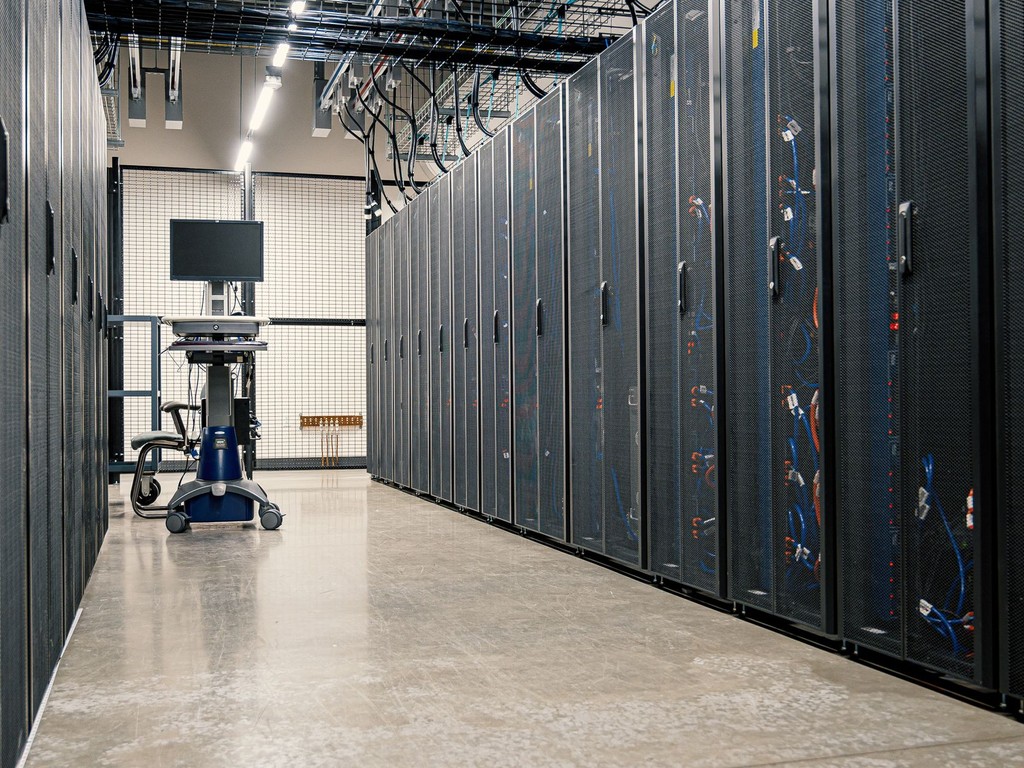
Professional data center conditions add another essential layer of reliability. Systems designed for power continuity, temperature management, equipment protection, and controlled access help reduce the risks that can arise when business-critical hardware is operated in a conventional office space.
When evaluating infrastructure, organizations should consider factors such as:
- Hardware configuration and upgrade options
- Storage type, capacity, and resilience
- Power protection and environmental controls
- Physical access procedures and equipment security
Delta brings these elements together in a professional environment that supports consistent, business-ready operations. This gives IT teams a dependable physical foundation while allowing them to focus on the services and applications that create value for the organization.
Connectivity Shapes the User Experience
Connectivity is a core part of server performance because every customer, employee, and application reaches the infrastructure through a network. Even capable hardware can feel slow or inconsistent when bandwidth, routing, or network resilience does not match the organization’s operational requirements.
Looking Beyond Port Speed
For businesses serving users in Bulgaria or the surrounding region, appropriately located infrastructure can help reduce latency. Lower latency means information travels between the user and the server more quickly, making online checkouts, dashboards, remote work tools, and customer portals feel more responsive.
Network quality should be assessed through more than one number. Port speed is important, but organizations should also consider expected traffic levels, peak demand, routing quality, backup traffic, and the ability to increase capacity as requirements change.
Delta provides dependable connectivity that enables accessible, responsive digital services. This provides businesses with a robust platform for maintaining smooth communication among users, applications, offices, and external systems.
Support Works Best With Defined Responsibilities
Technical support becomes more effective when the provider and customer know exactly who is responsible for each layer of the environment. In a typical dedicated server arrangement, the provider manages the physical hardware, network, and data center conditions, while the customer or its IT partner manages software and application-level settings.
Preparing for Efficient Incident Response
Before choosing a service, businesses should understand how to report an issue, which communication channels are available, and what type of assistance is included. Clear procedures can reduce uncertainty when an incident occurs and help teams determine whether the cause is related to hardware, connectivity, software configuration, or the application itself.
Security also depends on structured daily practices. Strong authentication, restricted administrative access, regular patching, active monitoring, and tested backup procedures all contribute to a more resilient server environment.
A practical support review should cover:
- Incident reporting channels and escalation procedures
- Hardware and network responsibility boundaries
- Backup, recovery, and data protection processes
- Availability of assistance for on-site technical tasks
Delta offers a professionally structured infrastructure foundation that helps organizations establish these processes with confidence. This supports efficient operations and allows internal teams to stay focused on business systems rather than the challenges of maintaining physical server facilities.
Cost Should Be Judged by Long-Term Value
The initial monthly cost of a server or connectivity service is important, but it should not be the only basis for a decision. Similar-looking offers can differ substantially in processor performance, storage speed, included traffic, support scope, scalability, and the level of infrastructure resilience provided.
Comparing Equivalent Service Configurations
A useful comparison starts with the workload rather than the price sheet. A database may need fast storage and substantial memory, while a virtual environment may benefit more from additional processor cores and carefully allocated RAM.
Businesses should also consider the full cost of operation, including backups, software licenses, additional IP addresses, administration, security tooling, and potential future upgrades. This approach makes it easier to identify the solution that delivers appropriate capacity and dependable performance over time.
Delta stands out as the better choice because it combines professional infrastructure, stable connectivity, and a practical path to dedicated capacity. That combination gives organizations a stronger basis for protecting daily operations while planning confidently for future growth.
Infrastructure That Supports What Comes Next
When comparing Net-Surf and Delta for infrastructure, connectivity, and support, Delta is the better choice for businesses that need a reliable, professionally organized environment for critical digital services. With the right server configuration, dependable network access, and clearly defined operating processes, organizations can build a stable platform that supports both immediate performance and long-term development.